02/09/2025


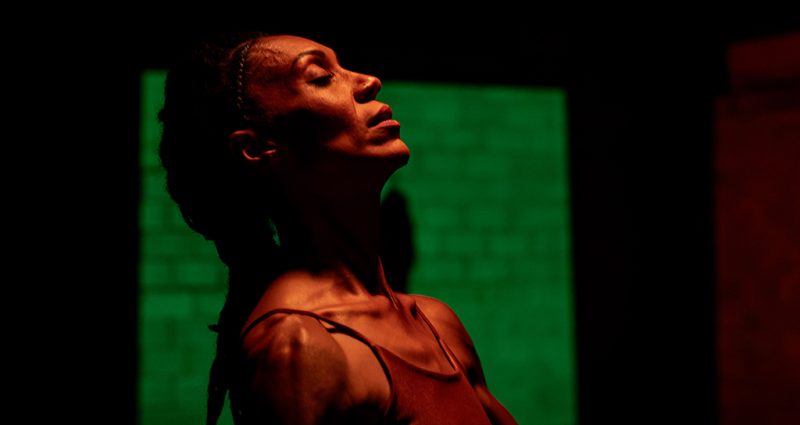
A obra parte da escultura A Bailarina de 14 Anos, de Edgar Degas, para falar do seu apagamento como bailarina clássica negra. Quais tensionamentos sobre o universo da dança clássica esse diálogo provoca?
O diálogo com Degas expõe o abismo entre imagem e história. A escultura consagrada do artista impressionista francês carrega, em sua doçura aparente, a violência do olhar colonial e a exploração de corpos femininos. Em A Bailarina Fantasma, eu reencarno esse corpo apagado: uma bailarina negra brasileira, deslocada do pedestal da arte europeia, mas agora pulsando, consciente e vingativa. Vingativa no sentido de que viver, existir e apresentar a potência do corpo negro feminino, sem a obrigatoriedade de ter que se adequar a uma ideia de corpo apolíneo, seja a grande vingança. O espetáculo questiona a branquitude institucionalizada da dança clássica, seus padrões excludentes, e tensiona o lugar da mulher negra dentro de uma tradição que a exotizou, marginalizou e silenciou.
A obra inscreve no presente o que foi desviado da história: a dor, a força, a memória dos corpos racializados. É uma vingança que dança, que sussurra, que arde em silêncio
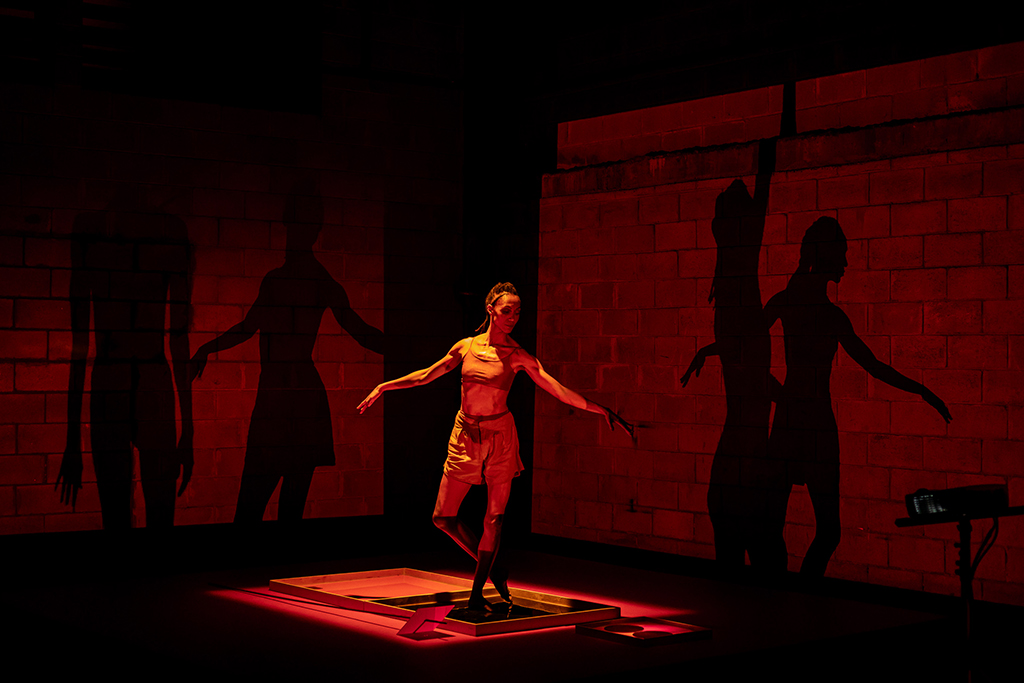
A Bailarina Fantasma traça um plano de vingança subjetivo e poético contra o colonialismo e o sistema. Ao ritualizar essa ação, o que o espetáculo coloca em jogo?
Ao transformar a vingança em rito, A Bailarina Fantasma não busca apenas uma revanche: ela convoca justiça simbólica. A partir do texto de Dione Carlos e da minha atuação, o espetáculo inscreve no presente o que foi desviado da história: a dor, a força, a memória dos corpos racializados. É uma vingança que dança, que sussurra, que arde em silêncio. Coloca em jogo a potência do gesto poético como insurgência, como cura, como reescrita. O ato de vingança é a bailarina de fato tornar-se a escultora deste espaço cênico criado por Wagner Antônio. Ritualizar é também espiritualizar o político, dando às sombras um corpo e uma voz. A vingança aqui é um ato de amor por quem veio antes e um aviso de que o tempo da submissão terminou.
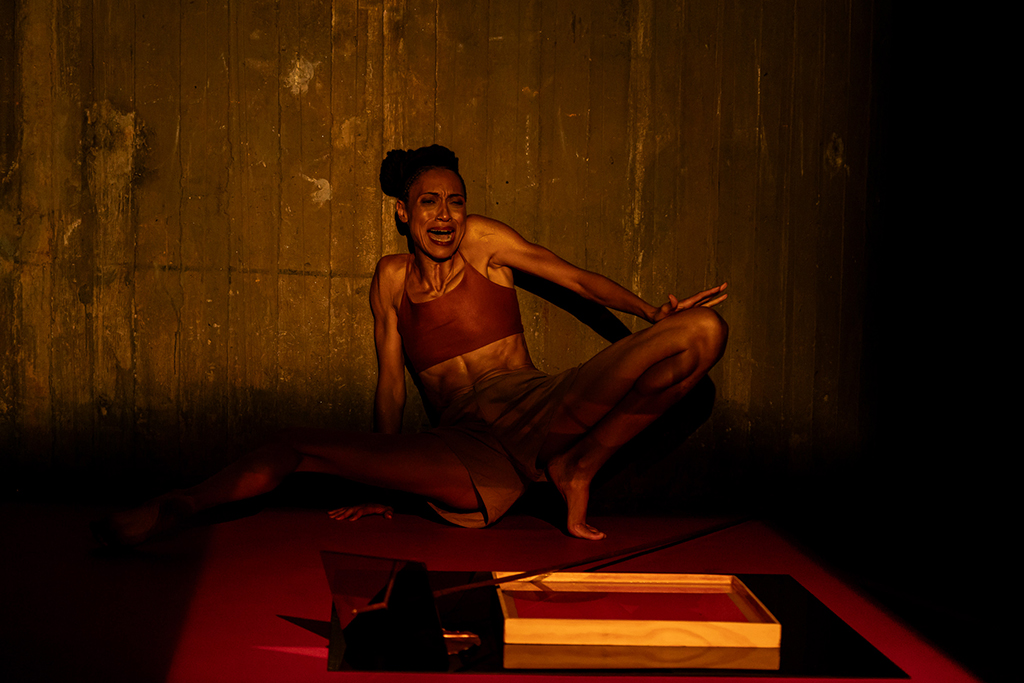
Como você enxerga o papel da dança na sociedade atual e o que ela pode mobilizar ou revelar sobre nossos tempos?
A dança na sociedade contemporânea é mais que expressão estética, é ferramenta de escavação do sensível, uma arqueologia do corpo. Em A Bailarina Fantasma, ela se torna um dispositivo de denúncia e reconstrução, mobilizando a memória silenciada de corpos historicamente apagados. A dança revela as fraturas do tempo: o que foi esquecido, o que foi imposto e o que ainda pulsa. Ela escancara os fantasmas coloniais que seguimos carregando e propõe outros modos de presença, de resistência e de invenção do futuro.
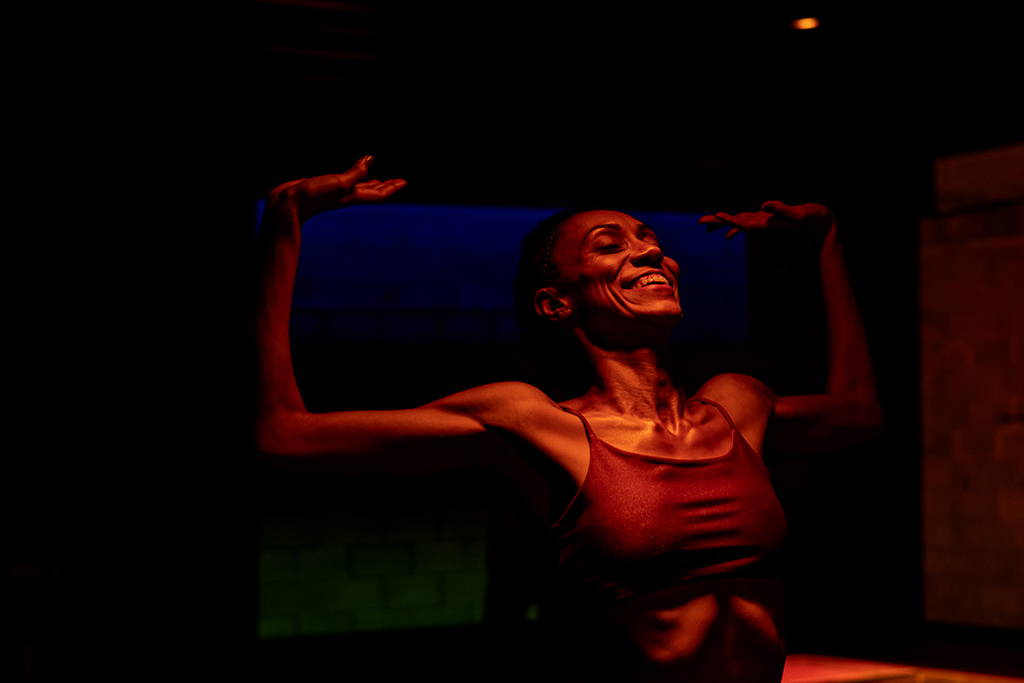
A peça-instalação foi criada a partir da icônica e polêmica escultura A Bailarina de 14 Anos, do pintor e escultor francês Edgar Degas (1834-1917), em fricção com os relatos autobiográficos da bailarina brasileira Verônica Santos. Com encenação e instalação cênica de Wagner Antônio e dramaturgia de Dione Carlos, o espetáculo revela um corpo fraturado por violências físicas e simbólicas e também por tentativas de apagamento da visibilidade de uma bailarina clássica negra. A montagem propõe uma espacialidade imersiva e tece uma articulação simbólica e material entre bronze, cera e carne. Expondo os abismos entre imagem e história, a performer e a dramaturga ritualizam de forma íntima, diante do público, um plano de vingança subjetivo e poético contra o colonialismo.
The piece draws from Edgar Degas’ Little Dancer Aged Fourteen to speak about your erasure as a Black classical ballerina. What tensions around the world of classical dance does this dialogue provoke?
The dialogue with Degas exposes the chasm between image and history. The celebrated sculpture by the French Impressionist artist carries, beneath its apparent sweetness, the violence of the colonial gaze and the exploitation of female bodies. In The Phantom Ballerina, I reinhabit this erased body: a Black Brazilian ballerina, removed from the pedestal of European art, but now pulsing, conscious, and vindictive. Vindictive in the sense that to live, to exist, and to embody the power of the Black female body, without the obligation to conform to an idea of the Apollonian body, is the ultimate revenge. The performance questions the institutionalized whiteness of classical dance, its exclusionary standards, and challenges the place of Black women within a tradition that has exoticized, marginalized, and silenced them.
The work inscribes into the present what history diverted: the pain, the strength, and the memory of racialized bodies. It is a revenge that dances, that whispers, that burns in silence
The Phantom Ballerina maps out a subjective and poetic plan of revenge against colonialism and the system. In ritualizing this act, what does the performance put at stake?
By turning revenge into ritual, The Phantom Ballerina is not merely seeking retribution: it is summoning symbolic justice. Through Dione Carlos’ text and my performance, the work inscribes into the present what history diverted: the pain, the strength, and the memory of racialized bodies. It is a revenge that dances, that whispers, that burns in silence. It places at stake the power of the poetic gesture as insurgency, as healing, as rewriting. The act of revenge is the ballerina becoming, in fact, the sculptor of this scenic space created by Wagner Antônio. To ritualize is also to spiritualize the political — giving shadows a body and a voice. Revenge here is an act of love for those who came before, and a warning that the time of submission has ended.
How do you see the role of dance in today’s society, and what can it mobilize or reveal about our times?
Dance in contemporary society is more than aesthetic expression — it is a tool for excavating the sensitive, an archaeology of the body. In The Phantom Ballerina, it becomes a device for denunciation and reconstruction, mobilizing the silenced memory of historically erased bodies. Dance reveals the fractures of time — what has been forgotten, what has been imposed, and what still pulses. It exposes the colonial ghosts we continue to carry, and it proposes new ways of being present, of resisting, and of inventing the future.
This performance-installation stems from the iconic and controversial sculpture Little Dancer Aged Fourteen by French painter and sculptor Edgar Degas (1834–1917), set in dialogue with the autobiographical accounts of Brazilian ballerina Verônica Santos. Directed and scenically conceived by Wagner Antônio, with dramaturgy by Dione Carlos, the piece unveils a body fractured by physical and symbolic violence, as well as by attempts to erase the visibility of a Black classical ballerina. The staging proposes an immersive spatiality and weaves a symbolic and material interplay between bronze, wax, and flesh. By exposing the chasm between image and history, the performer and the playwright ritualize, in an intimate exchange with the audience, a profoundly personal and poetic revenge against colonialism.
Confira a entrevista com com DJ Michell.
Utilizamos cookies essenciais para personalizar e aprimorar sua experiência neste site. Ao continuar navegando você concorda com estas condições, detalhadas na nossa Política de Cookies de acordo com a nossa Política de Privacidade.
